When it comes to the long-term performance and comfort of your home, the materials your roof is made from matter more than most people realise. At BT Roofing Services, we’re often asked what the best roofing material is for year-round comfort — something that keeps the heat out in summer and the warmth in during winter. The answer depends on several factors, but the good news is there are excellent options available for every type of home. Here’s our guide to the best roofing materials for year-round temperature regulation.
The Best Roofing Materials to Keep Your Home Cool in Summer and Warm in Winter
Your roof is your home’s first line of defence against the elements, and the material it’s made from plays a huge role in how well your home manages temperature throughout the year. Whether you’re replacing an old roof or building new, choosing the right material can save you money on energy bills and keep your home comfortable in every season. Here are seven of the best roofing materials for year-round thermal performance.
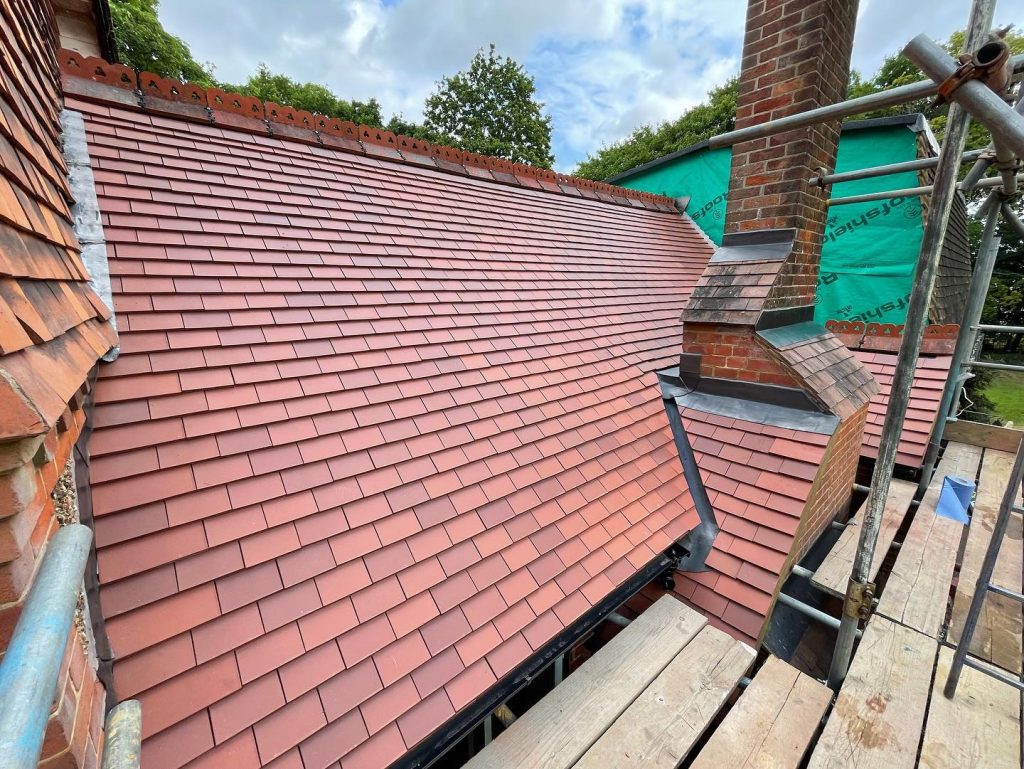
1. Clay and Concrete Tiles
Clay and concrete tiles have been used for centuries, and for good reason. Their natural thermal mass means they absorb heat slowly during the day and release it gradually, helping to regulate indoor temperatures in both hot and cold weather.
Benefits:
- Natural Insulation: The density of clay and concrete tiles slows heat transfer, keeping homes cooler in summer and warmer in winter.
- Durability: These materials are long-lasting and low maintenance, making them a cost-effective long-term investment.
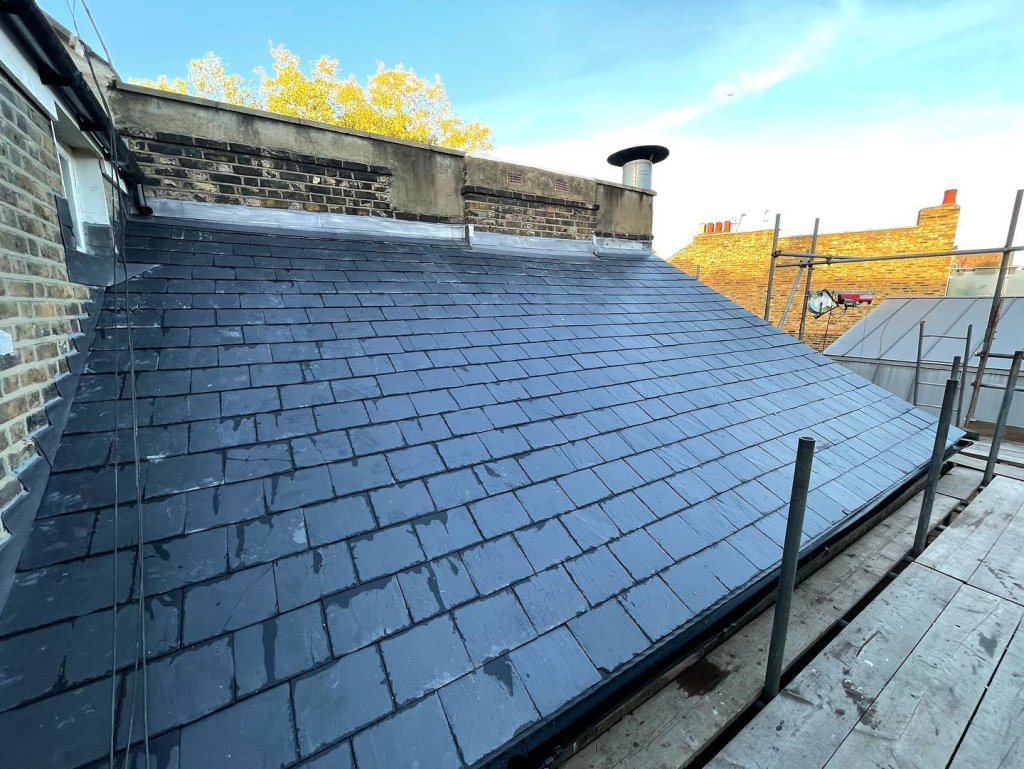
2. Slate Roofing
Natural slate is one of the premium choices for roofing in the UK, and its thermal properties are a big part of why. Slate is a dense, naturally occurring material that performs exceptionally well in both hot and cold conditions, making it ideal for year-round comfort.
Why It Matters:
- Excellent Thermal Mass: Slate’s density makes it highly effective at moderating temperature fluctuations inside the home.
- Longevity: A properly installed slate roof can last well over a century, offering outstanding value over its lifetime.
3. Metal Roofing
Metal roofing has grown significantly in popularity in recent years, thanks in part to its impressive thermal performance. Reflective metal roofing in particular is highly effective at bouncing solar heat away from the home during summer, while its tight installation helps retain warmth in winter.
Why It Matters:
- Solar Reflectivity: Metal roofs reflect a high proportion of sunlight, reducing heat absorption during hot weather.
- Energy Efficiency: Combined with good insulation — which we’ve covered in detail in our guide to roof insulation and summer comfort — metal roofing can deliver excellent year-round energy savings.
4. Green Roofing (Living Roofs)
Green roofs, which are covered with vegetation and a growing medium, are one of the most thermally effective roofing solutions available. The layer of plant life and soil acts as a natural insulator, keeping heat out in summer and reducing heat loss in winter.
Why It Matters:
- Natural Temperature Regulation: The growing medium and plant layer provide exceptional insulation in both directions.
- Environmental Benefits: Green roofs also absorb rainwater, support biodiversity, and reduce urban heat island effects.
5. Flat Roof Membranes with Insulation
For homes with flat or low-pitched roofs, the right membrane combined with quality insulation can deliver outstanding thermal performance. Modern flat roof systems are designed with energy efficiency in mind, offering excellent resistance to both heat gain and heat loss. As we explored in our post on how roof insulation keeps your home cool in hot weather, proper installation is key to getting the most from any insulation system.
Why It Matters:
- Tailored Solutions: Flat roof systems can be specified with high-performance insulation boards to meet specific thermal targets.
- Modern Technology: Contemporary membranes and insulation materials deliver performance levels that older flat roofs simply couldn’t match.
6. The Importance of Professional Installation
Even the best roofing material in the world will underperform if it isn’t installed correctly. Gaps, poor detailing, or mismatched materials can all compromise thermal performance, allowing heat in during summer and letting warmth escape in winter. Professional installation ensures everything works together as intended.
Why It Matters:
- Maximised Performance: A professional installer ensures your chosen material delivers its full thermal potential.
- Avoiding Costly Mistakes: Poor installation can lead to energy inefficiency, damp issues, and premature roof failure — all of which cost far more to fix than getting it right the first time.
Choosing the right roofing material for your home isn’t just about aesthetics — it can keep you more comfortable year-round and save you significant money on energy bills in the long run.
Choose the Right Roofing Material with BT Roofing Services
At BT Roofing Services, we have the knowledge and experience to help you choose the right roofing material for your home and your climate. Whether you’re looking for maximum summer cooling, winter warmth, or the best of both, our team will guide you through every option